Need support? Call 703-J-CARING (703-522-7464)

Holding Hope in a Time of War
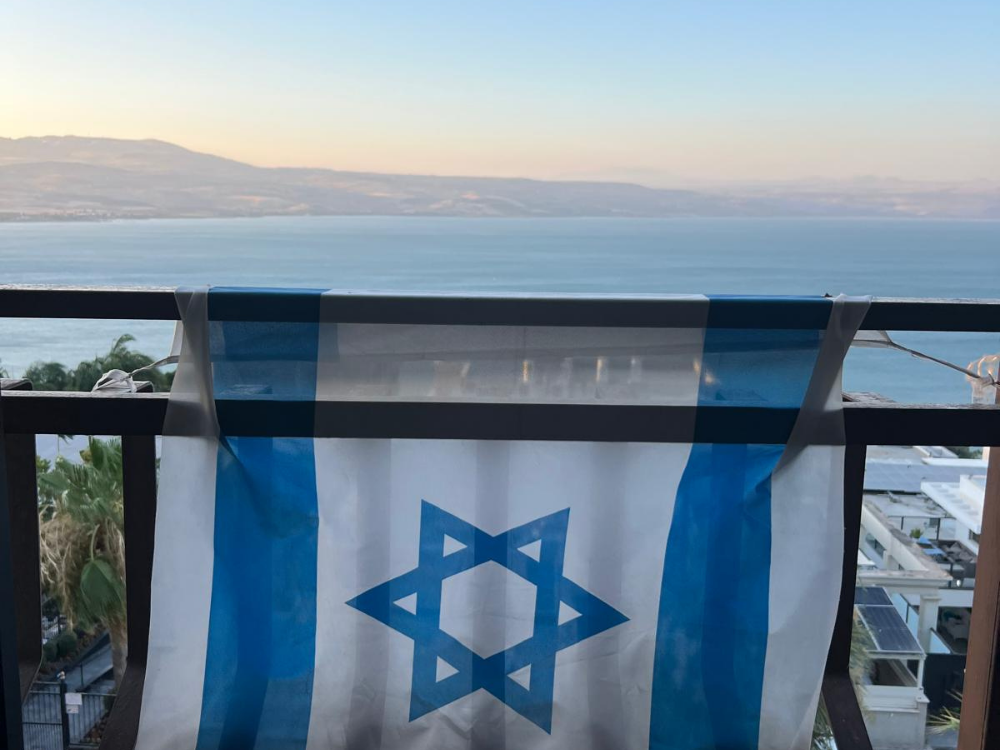
Holding Hope in a Time of War

On Friday, February 27, just before Shabbat, Inbal called her family in Israel with a question that had become all too familiar: Are you prepared for every possible scenario?

They told her they had already been ready for weeks. In many ways, everyone felt that something was coming. And yet, as she would soon learn, nothing can truly prepare you for war.

Inbal is part of the Community Shlichim program, a partnership between The Jewish Federation of Greater Washington, The Jewish Agency for Israel (JAFI), local synagogues, and other partner organizations which brings Israeli emissaries to our region to deepen connection and bring Israeli life and perspective into our community. Originally from a small town in northern Israel, Inbal now finds herself navigating the distance between two realities—supporting the Greater Washington community while her own family lives through the unfolding crisis at home.

Here is her story:

When Sirens Began

The night of February 27 on the East Coast, Saturday morning in Israel, I received a news alert: sirens were sounding across Israel. I immediately called my father, sensing that this might be the beginning of a war with Iran. He told me that he was already on his way to his military base to report for reserve duty.

My thoughts then turned to my grandfather, who goes to synagogue early every Shabbat morning. That day, we could not reach him. He only realized what had begun when he returned home from prayer. Our whole family was tense, worried a siren might go off while he was still outside and unprepared.

That was Shabbat morning in Israel.

Between Fear and Joy

The war began during the holiday of Purim. Purim is meant to be one of the happiest holidays, a time to dress up, celebrate, laugh, and be together, filled with joy and light. And yet, in Israel, the transition between sadness and joy is something we know all too well, and sometimes the distance between them is only a matter of hours. In a strange and almost ironic way, 2,500 years after the story of Purim, it can feel as though we are witnessing another Purim story unfolding, another moment in which the Jewish people are called upon to stand strong.

Holding Two Realities

Since that morning, I have spoken with my family almost every day. My grandfather continues to go to synagogue, still without taking his phone. When sirens sound, he says they simply continue praying, even though the stress is very real. He maintains his routine because, as he explained to me, staying at home for so long is not healthy, neither mentally nor physically.

Many of my family members and friends have also been called for reserve duty, some for the seventh time since October 7. They are exhausted, and yet they tell me that they understand the importance of this moment. They hold on to the hope that after this round, there will finally be a few years of quiet.

Meanwhile, being here in Washington as an Israeli shlicha during a time like this is deeply complex. On the one hand, I feel a strong responsibility to be present with the community, to continue showing up, and to create connection and meaning around what is happening. On the other hand, there is a constant feeling of distance, and with it, the fear of being disconnected from everything unfolding back home.

A Community to be Proud Of

Nevertheless, I feel incredibly fortunate to be part of the Greater Washington Jewish community, a community that truly cares. Every day, people ask me how my family is doing. They check in. They engage in conversations about what is happening. This support helps me stay connected and grounded, while also allowing me to find a sense of balance.

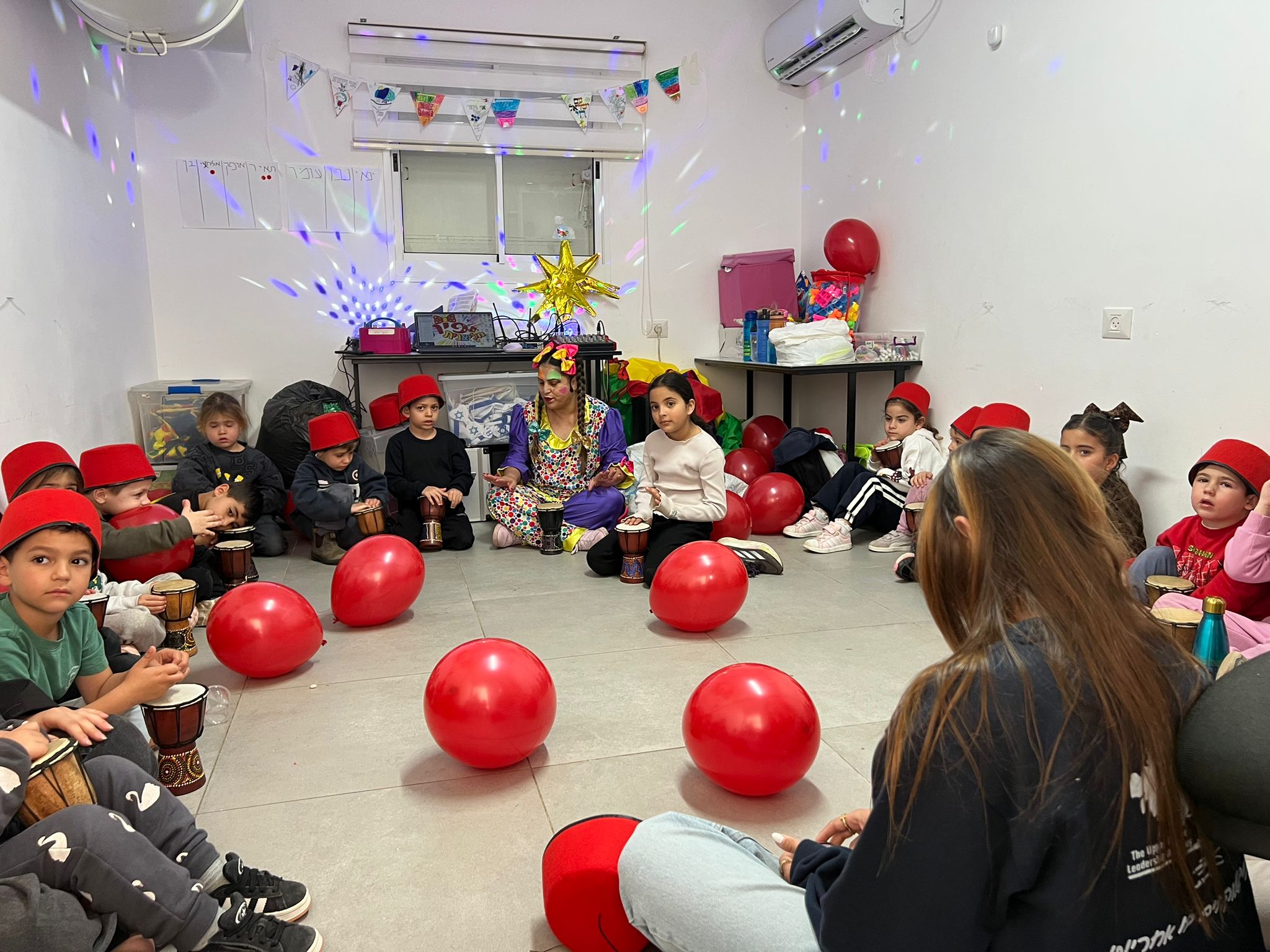
Perhaps most unexpectedly, it is the young children in the community who help me the most in these moments. They bring me into their world of imagination, stories, and innocence, and for brief moments, they allow me to breathe.

Through this experience, I have come to understand that the message I bring here is my sense of responsibility. If the people in Israel can continue to demonstrate resilience, courage, and strength every single day, then I must carry and reflect that same resilience here as well. After all, the story of the Jewish people has always been one of resilience, of facing darkness and still choosing light.

With Hope for Spring

As the war enters its fifth week, we now find ourselves approaching Passover, the holiday of freedom and spring. Passover tells the story of leaving Egypt, of moving from slavery to freedom, and of becoming who we are meant to be. In this moment, I find myself hoping that this Passover will bring a sense of freedom for all of us—the freedom to live openly as who we are, proud of our Israeli and Jewish identities; to walk with our flag and our Star of David without fear; and to live without the routine of war, without constantly seeking the nearest shelter.

Passover also marks the arrival of spring, a season of renewal, when everything begins to grow again after the storms. There is something deeply powerful in that connection: just as strong trees withstand the storm, we see resilience, and like flowers that bloom in the fields, we see new beginnings. Perhaps that is the Jewish people’s story—to hold both, and to remember that if we want to see the rainbow, we must first be willing to stand in the rain.

Learn more about our Community Shlichim program.
Related posts

Support When it Matters Support When it Matters
Support When it Matters
After a direct Iranian missile strike on Beit Shemesh, Federation mobilized quickly—transforming the Zinman Community Center into a Family Support Hub providing emergency relief, psychological support, and moments of joy for impacted residents.
read more

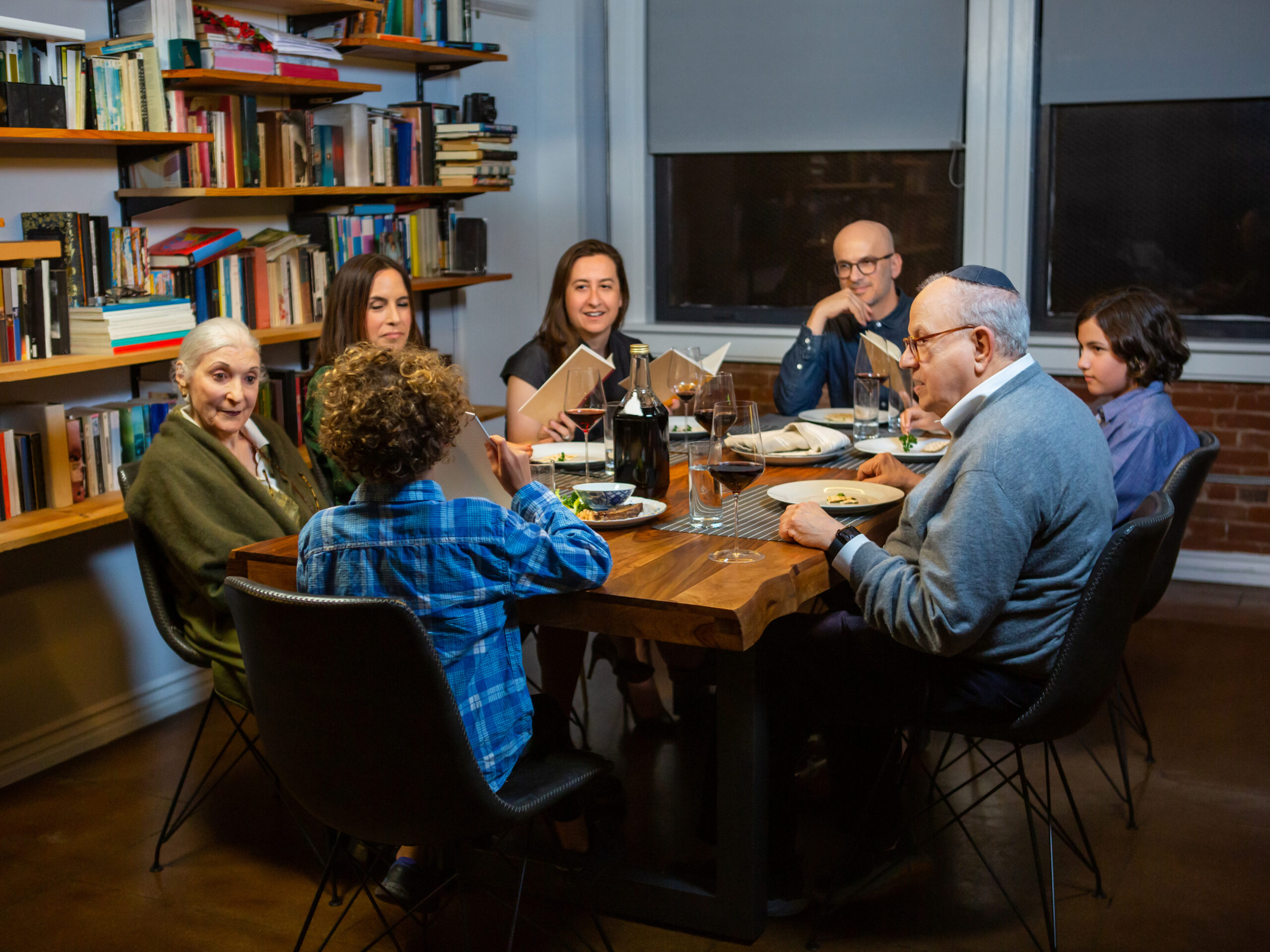
Finding Comfort in Passover Traditions

Finding Comfort in Passover Traditions

In a time of uncertainty, the rituals of Passover offer something steady

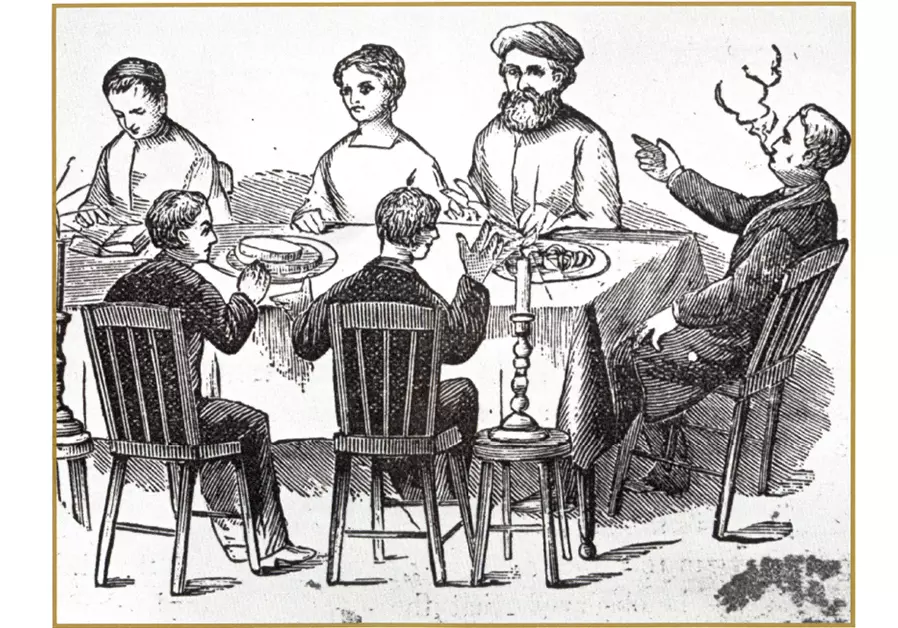
My siblings and I held our Passover menu planning Zoom call earlier this week. I’m in charge of the brisket, among other things, and I’ll be making my mom’s recipe. No secret ingredients, no innovative twists. Just a tried-and true and beloved rendition. That, I suppose, is the unofficial theme of our Seder this year (though I may experiment with a new vegetarian soup).

Indeed, given all the volatility in the world, the thing I’m craving most from Passover is its sense of routine. For those of us who grew up with the holiday, the Passover Seder is, above all, familiar. How the Seder unfolds may vary from year to year, but the story, the food, the songs, and the traditions always combine to create a uniquely consistent touchpoint with family, Jewish identity, and peoplehood.

Passover also has a way of using the past to evoke new feelings of possibility. While the Haggadah stays consistent, the moment in which we live is continuously changing. In recounting our story, we may focus on new sections or have different reactions to readings or songs. We may uncover fresh sources of energy, clarity, and ingenuity, which we will need on the road ahead.

We have important work in front of us: to engage and connect with members of the Jewish community who are struggling right now, to be a steady partner for Israeli communities, to build strong, substantive, and joyful Jewish life, and to care for the people around us. And the first step to making it all happen starts by remembering who we are and the role we’re meant to play in the world.

I encourage you to gather some friends, invite someone new to the table, and connect once again to our story. In true Jewish fashion, it’s in connecting to our tradition and to each other that we’ll prepare ourselves to move forward.

Related posts

Support When it Matters Support When it Matters
Support When it Matters
After a direct Iranian missile strike on Beit Shemesh, Federation mobilized quickly—transforming the Zinman Community Center into a Family Support Hub providing emergency relief, psychological support, and moments of joy for impacted residents.
read more

The Future Is Human

The Future Is Human

AI may shape the future, but connection, curiosity, and community will always define us.

Our thoughts are with West Bloomfield’s Temple Israel community after yesterday’s attack. We are breathing a sigh of relief that everyone remained safe, including students and staff at the temple’s preschool. We are immensely grateful to the security guards, police officers, and firefighters who put themselves in harm’s way and responded to the situation swiftly and effectively.  

The incident is a sad reminder of how important robust security measures are today. Through JShield, The Jewish Federation of Greater Washington’s community security initiative, we are continuing to work closely with law enforcement and Jewish institutions across our region to keep our community safe.

I noticed recently that AI was incorporated into a software I use to log my expenses…and it was pretty great. The program automatically filled in blanks, predicted categories, and made the whole upload process easier. I also used it to analyze quantitative and qualitative data, and it brought out ideas and themes that I had not noticed before. I can see why these tools are catching on. And yet, the rise of AI is not affecting our strategy here at Federation.

Even at the dawn of this radical new leap, we believe the future is human. In fact, at a time when AI is transforming everything from our emails to our state policies, I can’t help but notice it’s our humanness that’s gaining cachet.

Perhaps that’s why some banks are now advertising “human help” to attract new customers. Why Hermès commissioned hand-drawn graphics for their website. Or why Apple hired artists to create their new logo out of glass and colored lights. There’s something beautiful and inherently valuable about knowing a real person was involved in the work.

Of course, as Jews, we have always been wonderfully human. For sure, we know how to gather and find purpose and meaning with and among each other. We also learn by relishing in each other’s individual and sometimes unpredictable perspectives. Our texts are contradictory, our debates unique and far reaching. Though the bots may soon be able to mimic our thought patterns, it will be our organic curiosity, creativity, and empathy that will keep us whole.

As Robert Putnam writes in Bowling Alone (not the first time I’ve mentioned this work and not the last), “The single most common finding from a half century’s research on the correlates of life satisfaction, not only in the United States but around the world, is that happiness is best predicted by the breadth and depth of one’s social connections.”

We must continue coming together, in-person, to learn, celebrate, discuss, mourn, serve, or simply be. Doing so will have the dual effect of benefiting us individually and strengthening our entire community. It’s also how we grow. Community manages to both support and sustain us while also putting us in contact with the people who can challenge our assumptions and push us beyond our would-be bubbles. Shabbat dinners, text studies, trips, lectures and so on, will be that much more important in an age of online silos.

To that end, I want to hear from you: where and how do you seek human connection? What are the elements in your life keeping you grounded and engaged with others?

I’m all for innovation. The Jewish community must embrace and leverage cutting edge tools to our advantage. But it’s not lost on me that the more advanced our world becomes, the more we hunger for ancient wisdom. What a phenomenal opportunity we have to subvert the forces that automate and isolate and instead foster the connection humanity craves.

Related posts

When Antisemitism Takes Hold When Antisemitism Takes Hold
When Antisemitism Takes Hold
Antisemitism often emerges in times of strain, fueled by fear and exploited by bad actors. By confronting hatred directly and strengthening democratic institutions, Federation works to build resilience, foster connection, and ensure a more stable, inclusive community.
read more

Seeing Maya, staged reading

Seeing Maya, staged reading
A Tel Aviv Love story In this comedy-drama about loving outside the lines, Danny, 26, American, moved to Tel Aviv to escape overbearing parents and the looming threat of law school. During an air raid at the start of the Gulf War, he meets his neighbor, Maya, an ageless 52. They can’t stay away from each other, despite nearly being discovered by her son, Yaya, who also happens to be Danny’s best friend. As the emotional stakes rise, their secret affair becomes both too much and not enough. When Danny’s parents visit Israel and Maya impulsively invites them to her Passover seder, all is revealed, for better or for worse.

Tot Pesachpalooza

Tot Pesachpalooza
Join us for a Pesachpalooza! A fun morning celebrating Pesach as a community of young families and featuring author Susan Kusel reading her award wining book The Passover Guest. Every family will receive a copy of the book for Susan to sign. This is a perfect event for parents, grandparents, and little ones to enjoy together. Best for children ages 0-5 and their families.

JxJ Best of Fest: “Real Estate” film screening

JxJ Best of Fest: “Real Estate” film screening
The Pozez JCC and Edlavitch DCJCC are thrilled to present JxJ Best of Fest: Monthly Film Screenings at Cinema Arts Theatre in Fairfax. This month's selection is “Real Estate," directed by Anat Malz. In the film, Tamara and Adam, a wild and unstable couple, are about to become parents and their life is a mess. Just before being evacuated from their apartment in Tel Aviv, Tamara decides to search for their new home in Adam’s hometown Haifa. During one unforgettable day of apartment hunting, the journey to find a home turns into a journey to the heart of their passionate yet impossible relationship. Tickets may be purchased at the Cinema Arts Box Office or online.

Neshome Lider: Songs of Resilience from the Holocaust

Neshome Lider: Songs of Resilience from the Holocaust
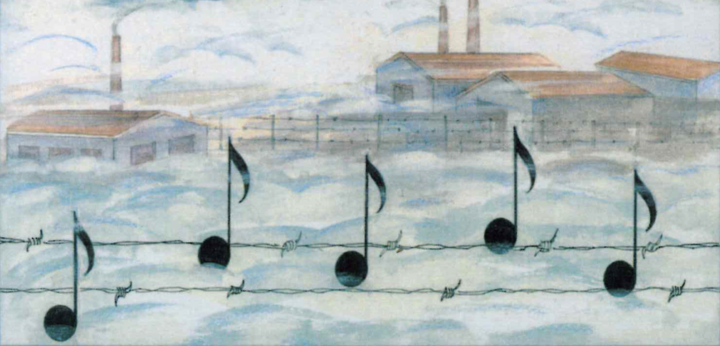
A Yom HaShoah & Garden of the Righteous Commemoration Honoring Geertruida “Truus” Wijsmuller This Yom HaShoah, join Adas Israel Congregation for an evening of music, memory, and moral courage. Neshome Lider is a moving musical journey of Yiddish songs written during the Holocaust, woven with story and reflection. Featuring Zalmen Mlotek, Rabbi Avram Mlotek, and Cantor Arianne Brown, the program reveals how song became an act of spiritual resistance, remembrance, and hope. We will also honor Truus Wijsmuller, whose courageous leadership in the Kindertransport helped rescue approximately 10,000 Jewish children from Nazi-occupied Europe. Joining us will be Isabel Bauer-Langsdorf, one of the children she saved, along with her daughter Julie Langsdorf, offering living testimony to the power of moral courage. An evening where music and memory meet in sacred tribute. Supported by the Jonah and Rita Schiffres Yiddish Fund.

Stories of Liberation and Freedom: Then and Now

Stories of Liberation and Freedom: Then and Now
The Passover story begins in Egypt and moves through plagues, courage, and ultimately, the journey to freedom. Jewish tradition has been telling and retelling this story for thousands of years, and each generation adds new layers. In this learning session, we’ll explore a range of texts - ancient and modern - that grapple with slavery, plagues, and the ongoing fight for liberation. Together we’ll ask: How have Jews across time understood oppression and freedom? What feels resonant or challenging for us today? No experience necessary. Everyone is welcome. Specific location and additional details will be shared with registrants after the registration deadline.