Navigating pride, unease, and the responsibility to shape our future together.
I just finished Stained Glass by Flora Cassen, a book that explores antisemitism’s effect on Jewish identity. She puts into words what’s been on my mind lately, which is that this is a challenging time for many to navigate Jewish expression. At times, life as a Jew in the DMV feels pretty great. We have amazing institutions, myriad forms of programming across a variety of interests, and an actively engaged community. And yet, there’s another dynamic afoot. Something that causes us to question whether we should put on a Star of David, wear a shirt with Hebrew writing, or plan a Jewish event in public.
By way of a snapshot, in the same historical moment in which public schools in our area are designating days off for Rosh Hashanah and Yom Kippur, vandals are spray-painting swastikas on desks. What are we to make of such a juxtaposition?
I don’t want to minimize the way in which our community has become ingrained in the fabric and rhythms of the region and the country more broadly. As others have said, almost any generation in Jewish life would trade their circumstances for ours. What Cassen points out, however, is that we have a lingering sense of insecurity based on centuries of history and, with a rise in antisemitism, a new and justifiable sense of unease.
Our job as a Federation is to recognize and shape our reality to the best of our ability and to build, continuously, toward a better future. That means supporting our communal ecosystem to be able to double down on the good and push back against the bad. We are situated at the epicenter of Jewish life in Greater Washington and can partner with, convene, and mobilize individuals and agencies to help more people live proud Jewish lives, as publicly or privately as they choose, independent of any external factors.
This work includes tackling antisemitism for the sake of current and future generations, in addition to helping more people deepen their ties to the ongoing story of the Jewish people. We don’t have to classify this moment as positive or negative, golden or threatened. What matters is that we move forward as a community in pursuit of a future that we define for ourselves.
We are here to strengthen a Jewish ecosystem capable of spurring Jewish pride and connection while doing what we can to influence the landscape of Jewish life in America, no matter which way the winds might blow.
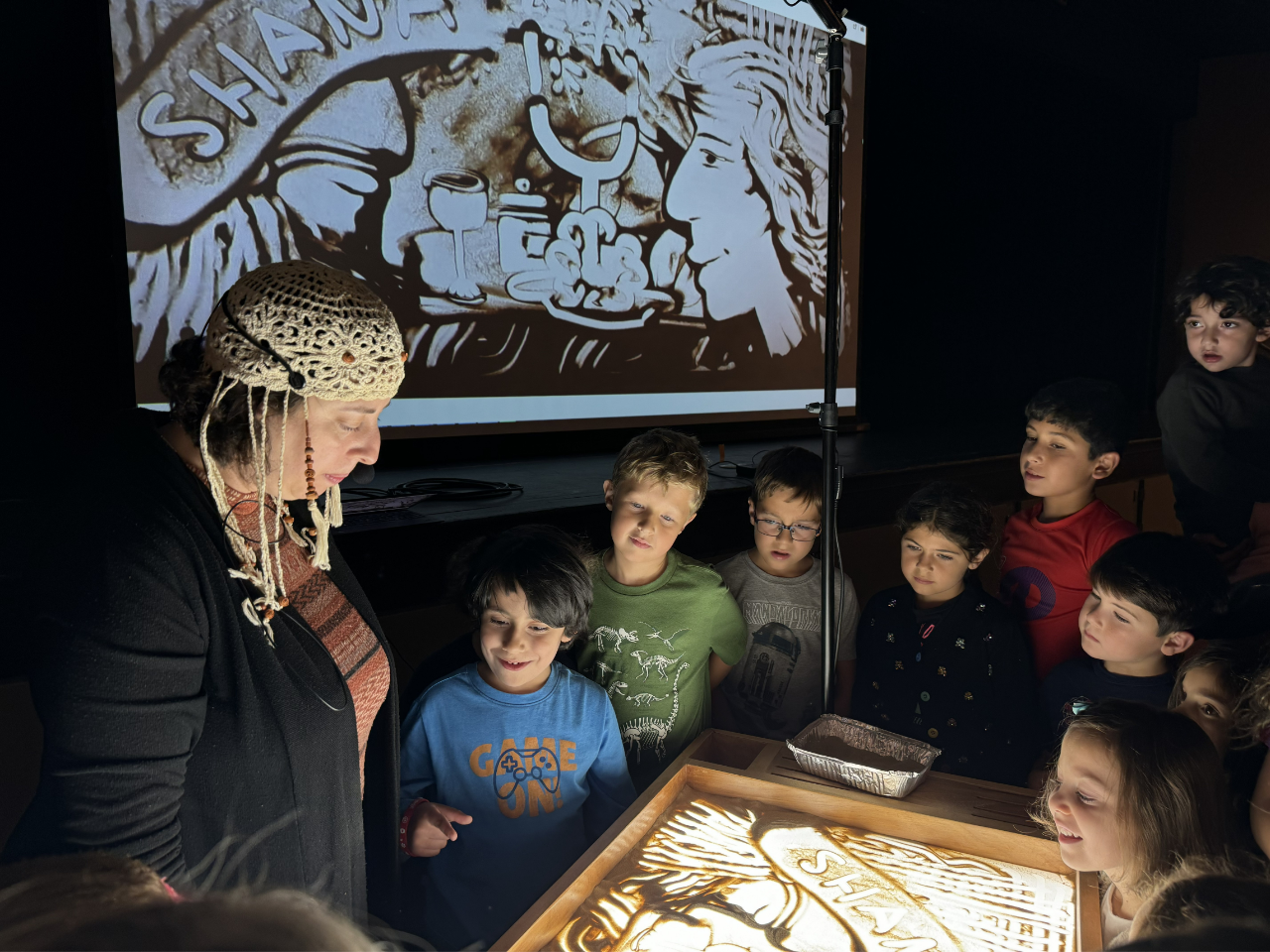
A blooming lemon tree becomes a reflection on faith, possibility, and the future of Jewish life. As uncertainty grows, the challenge is not only to confront what is probable, but to nurture what is possible and help it take root.
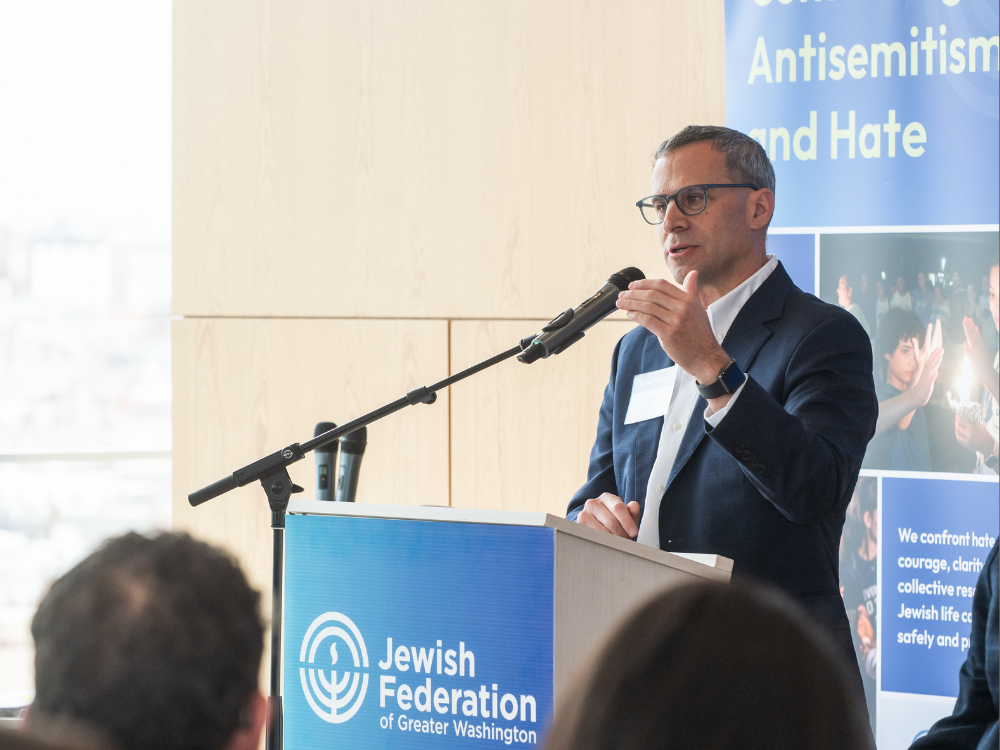
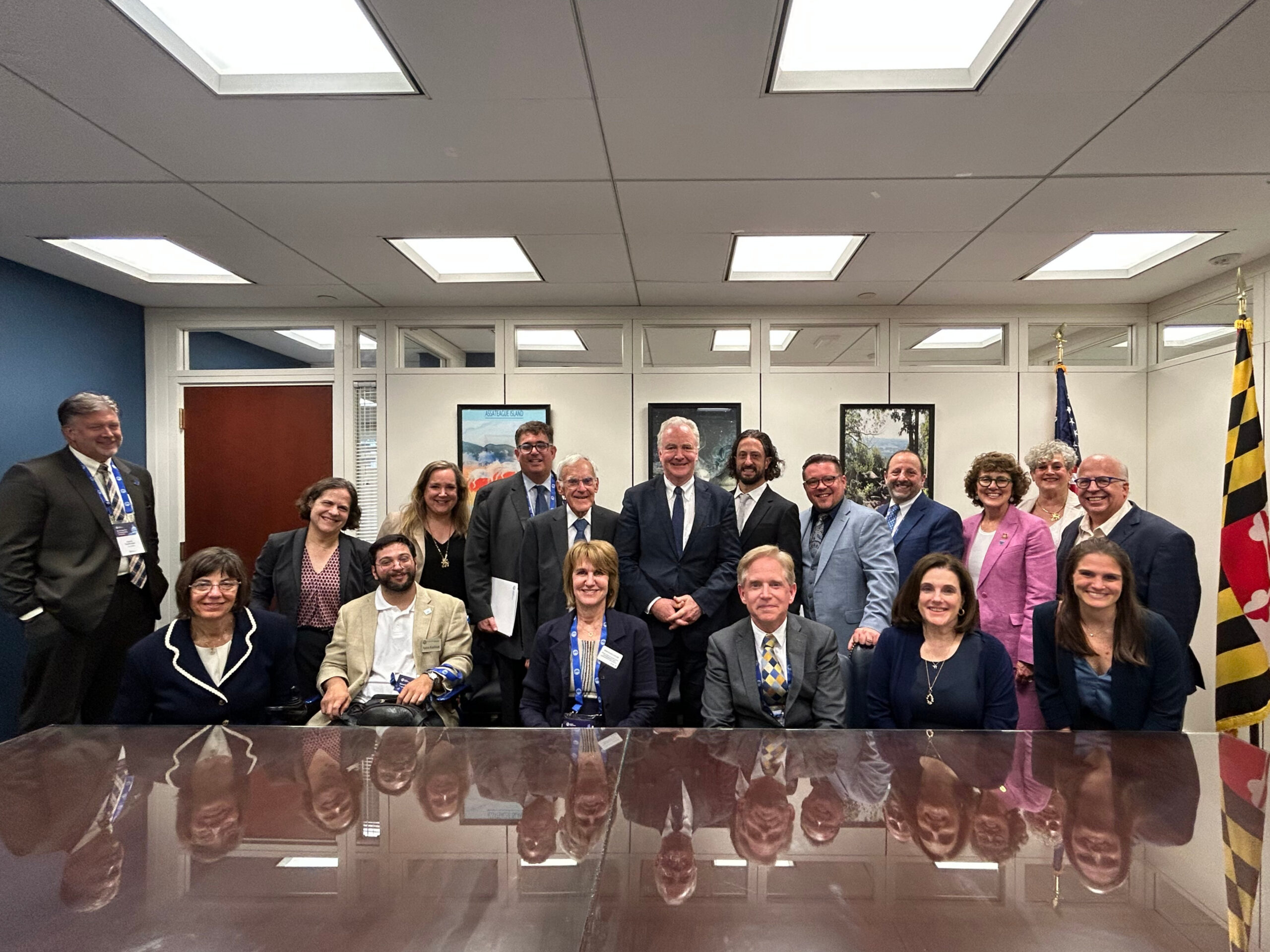
Hundreds of Jewish leaders gathered on Capitol Hill for The Jewish Federations of North America’s Security Fly-In, sharing deeply personal stories about rising antisemitism and advocating for stronger protections to ensure Jewish communities can gather openly and safely.
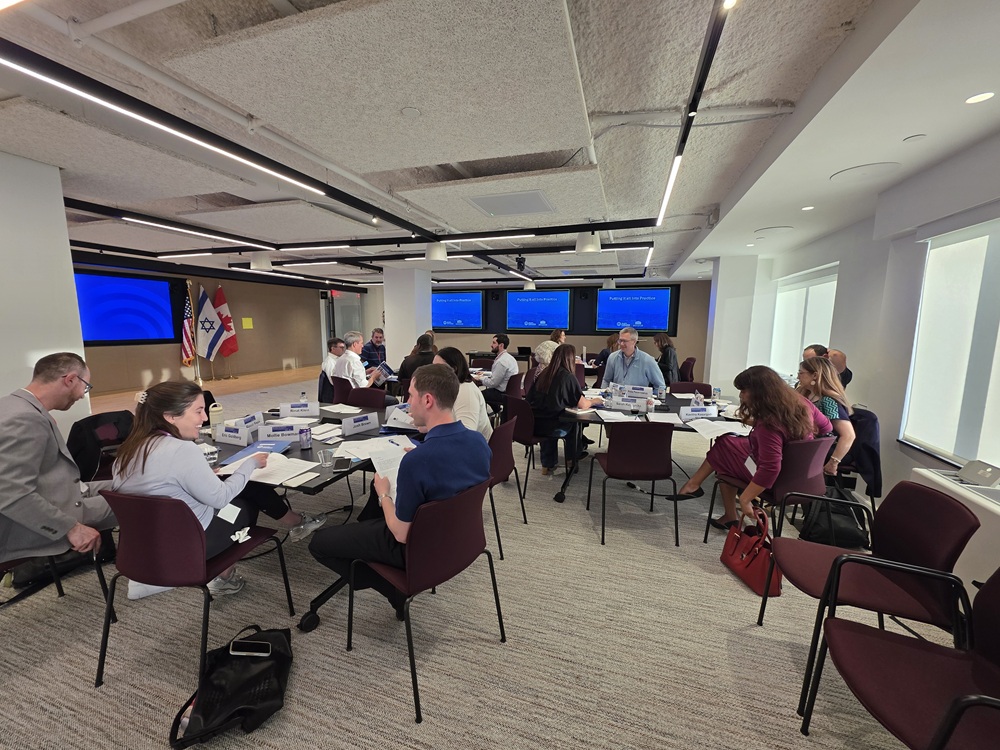
Over four months, 22 local leaders came together through the Courageous Leadership Fellowship to strengthen empathy, respect, and constructive dialogue across the Jewish community, exploring how courageous leadership and meaningful conversation can help build a stronger, more inclusive future.
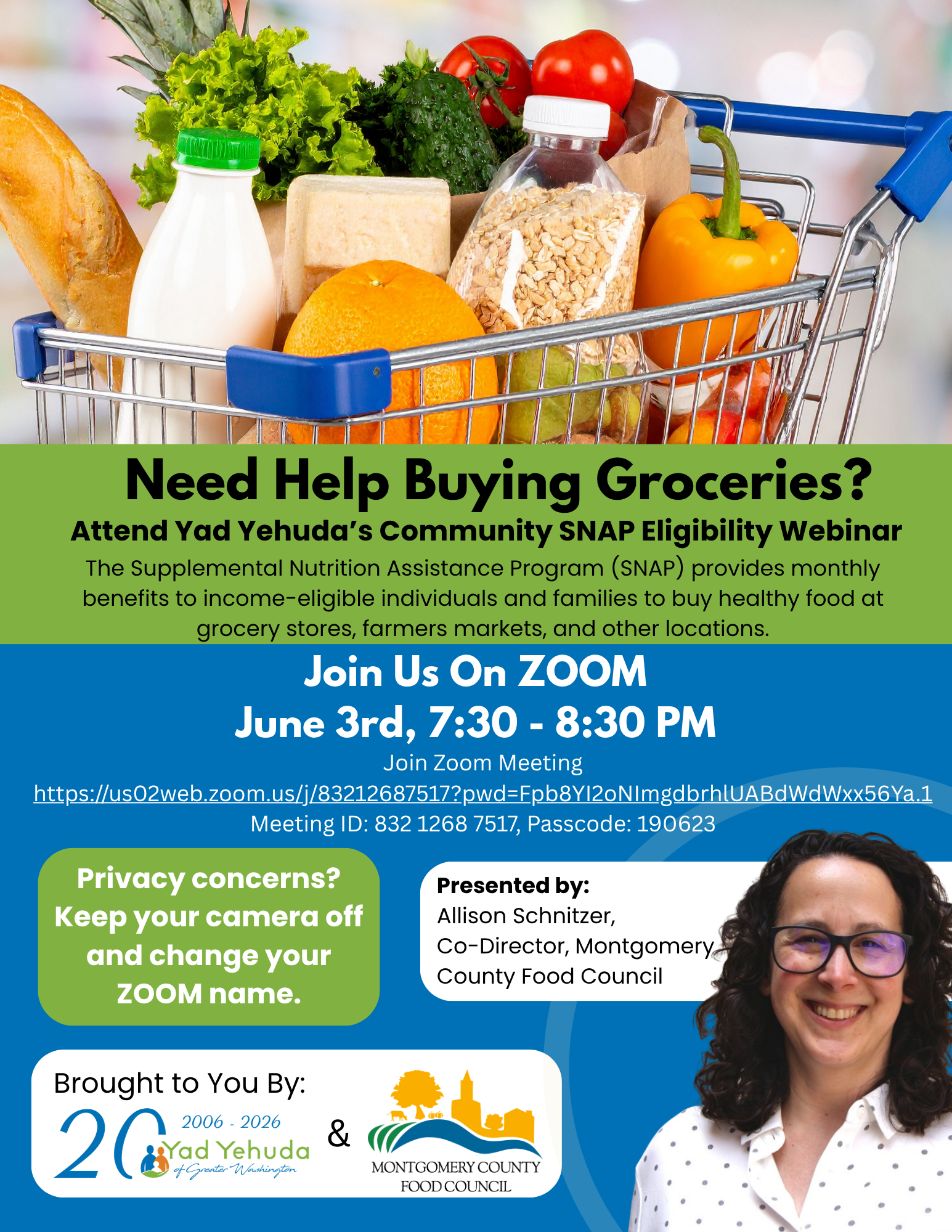
Yad Yehuda & Montgomery County Food Council Present:
SNAP Benefits Webinar, Presented by Allison Schnitzer, Co-Director, Montgomery County Food Council
Join Us Wednesday June 3rd, 7:30-8:30 pm, on Zoom.
The Supplemental Nutrition Assistance Program (SNAP) provides monthly benefits to income-eligible households to buy healthy food at grocery stores, farmers markets and other locations. Come learn about SNAP benefits, whether your household qualifies, and how to sign up.
Zoom Link: https://us02web.zoom.us/j/83212687517?pwd=Fpb8YI2oNImgdbrhlUABdWdWxx56Ya.1
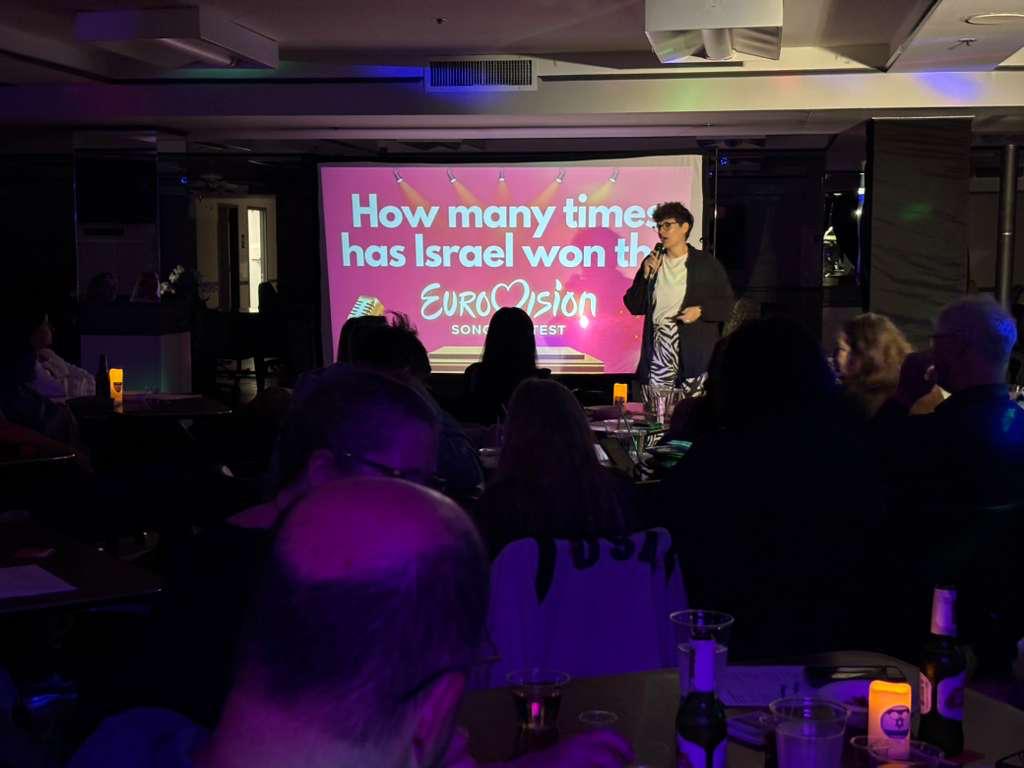
Not Your “Toy”, but Definitely Your Soundtrack for Decoding Israel
May 26, 2026
Hila, Federation Community Shlicha
The air inside Bialik 26 was thick with excitement. It was May 2018, seven years before the world as we knew it would fracture on October 7, and the popular Be’er Sheva neighborhood spot was packed to the brim. That night, the student cafe was the beating heart of the city’s queer community. Everyone was crammed shoulder-to-shoulder, eyes glued to the glowing screens broadcasting the world’s largest music competition, the Eurovision Song Contest.
Netta Barzilai was onstage singing “Toy,” an unapologetic, feminist anthem wrapped in quirky pop brilliance and thousands of shining lucky cats (see them in all their magnificence here). When the final votes came in and Israel was declared the winner, the whole place burst into tears and cheers.
We couldn’t believe it had actually happened. Israel had won the contest exactly 20 years after its last win in 1998!
It was one of the most powerful, unforgettable moments of my life. That night, the entire country felt unified in an overwhelming wave of pure, unadulterated joy.
The Reality of Being a Shlicha Today
Fast forward to nearly a year ago, when I packed up my life in Israel and moved to the U.S. to begin as a shlicha (Israeli emissary) at The Jewish Federation of Greater Washington. At a time when so many are navigating their relationship with Israel, Federation’s shlichim program brings Israelis into local classrooms, synagogues, and living rooms, creating a space for real conversation and connection.
Shortly after I arrived, I quickly realized that being an Israeli emissary today looks radically different than it did in the past. In our post-October 7 reality, discussions about Israel and Jewish life are heavier, more emotional, and infinitely more complex. At the same time, they are deeply rooted in something essential: Jewish peoplehood, shared identity, and joy.
From the beginning, I felt a strong responsibility to show up for difficult conversations about Israel wherever they happened. But, over time, I’ve come to understand that my role is also to offer something broader, to reflect the full story of Israel and the Jewish people. Not only complexity and challenge, but also resilience, pride, and (even) fun.
That understanding came together this month in a very natural way with one of the most unifying cultural moments in Jewish and Israeli life-Eurovision season!
For anyone here in America, you might not have even heard of Eurovision, or maybe you’re just noticing it pop up on your feeds now that it’s finally having a breakout moment on TikTok. But in Israel? It’s like the Super Bowl, but for musicians. It’s a massive song contest combining fierce cultural pride, voting drama, and representation on the global stage.
With Israel proudly taking home second-place just last week, it was the perfect moment for me to help our Greater Washington community look at Israel through a different soundtrack.
A Nation’s Story, Written in Song
Ever since October 7, it is incredibly easy for our relationship with Israel to be entirely defined by trauma, crisis, and anxiety. But relationships can’t survive on the negative. If we only look at Israel through the lens of heartbreak, we lose sight of the very thing we are trying to protect.
Through Federation’s Hands On Israel workshops, I get to move past headlines and bring the real, lived reality of my home directly into local spaces. Over the past few weeks, I traveled across multiple communities in Greater Washington, using the lens of Eurovision to open a portal into Israeli society.
I shared how Israel celebrated its first historic win in 1978 with Izhar Cohen’s “A Ba Ni Bi” just five years after we entered the contest in 1973. Then, just a year later in 1979, “Hallelujah” captured the magic of hosting the contest in Jerusalem for the first time, launching us to a back-to-back victory. By 1983, the tone shifted to one of profound historical weight, when Ofra Haza sang “Chai” (alive) defiantly in Munich, Germany. The song became a breathtaking symbol of Jewish resilience in the shadow of a horrifying past.
As the decades marched on, the music mirrored a rapidly modernizing society. In 1998, Dana International’s historic win with “Diva” reflected a 1990s Israel that was embracing groundbreaking LGBTQ+ inclusion, female empowerment, and cultural openness.
Twenty years later, that legacy of radical representation culminated in Netta’s “Toy,” bringing a bold, global feminist voice back to the stage that I felt reverberate firsthand that night at Bialik 26.
The most recent chapters of our Eurovision journey allowed us to share the raw, immediate grief of our current era on the global stage. Eden Golan’s “Hurricane” in 2024 is deeply tied to the post-October 7 reality, capturing a nation’s immediate trauma and its stubborn insistence on standing tall despite the storm. The music looks forward with “A New Day Will Rise” in 2025, speaking directly to our collective yearning for renewal and rebuilding.
And just a week ago, we were able to experience the thrill in real time, as we listened to Noam Bettan capture hearts across the world (and a second-place win) with his powerful song, “Michelle.”
Shared Identity Over Debate
One of the most moving parts of this journey was watching the transformation inside the rooms here in Greater Washington. Across different synagogues, community centers, and living rooms, local American Jews and Israeli expats sat together in the same space. This kind of programming creates an exciting entry point into Jewish peoplehood. It moves the conversation into the heart, allowing people to connect emotionally. I am so grateful to be part of this work and to Federation for making this, and so many other meaningful Israel programs, available right here in our region.
Looking back at that euphoric night in Be’er Sheva in 2018, I am reminded that joy is a form of resilience. And as I continue my work here, I carry that music with me, always hoping, of course, to one day bring the trophy home again.
Interested in bringing similar experiential Israel education to your local community? Check out Federation’s Hands On Israel workshops to get started.
Learn more about Federation’s work strengthening Jewish peoplehood and sharing Israeli culture here.
A blooming lemon tree becomes a reflection on faith, possibility, and the future of Jewish life. As uncertainty grows, the challenge is not only to confront what is probable, but to nurture what is possible and help it take root.
Jewish life is thriving across Northern Virginia, but finding it can be challenging. Through a new partnership between the Jewish Federation of Greater Washington and the Pozez JCC, JLive will make it easier to discover events, programs, volunteer opportunities, and meaningful community connections.
At a time when Jewish life in the DMV is both flourishing and facing renewed antisemitism, this reflection explores the tension many Jews feel between pride and unease — and the responsibility of communal institutions to help shape a resilient Jewish future.
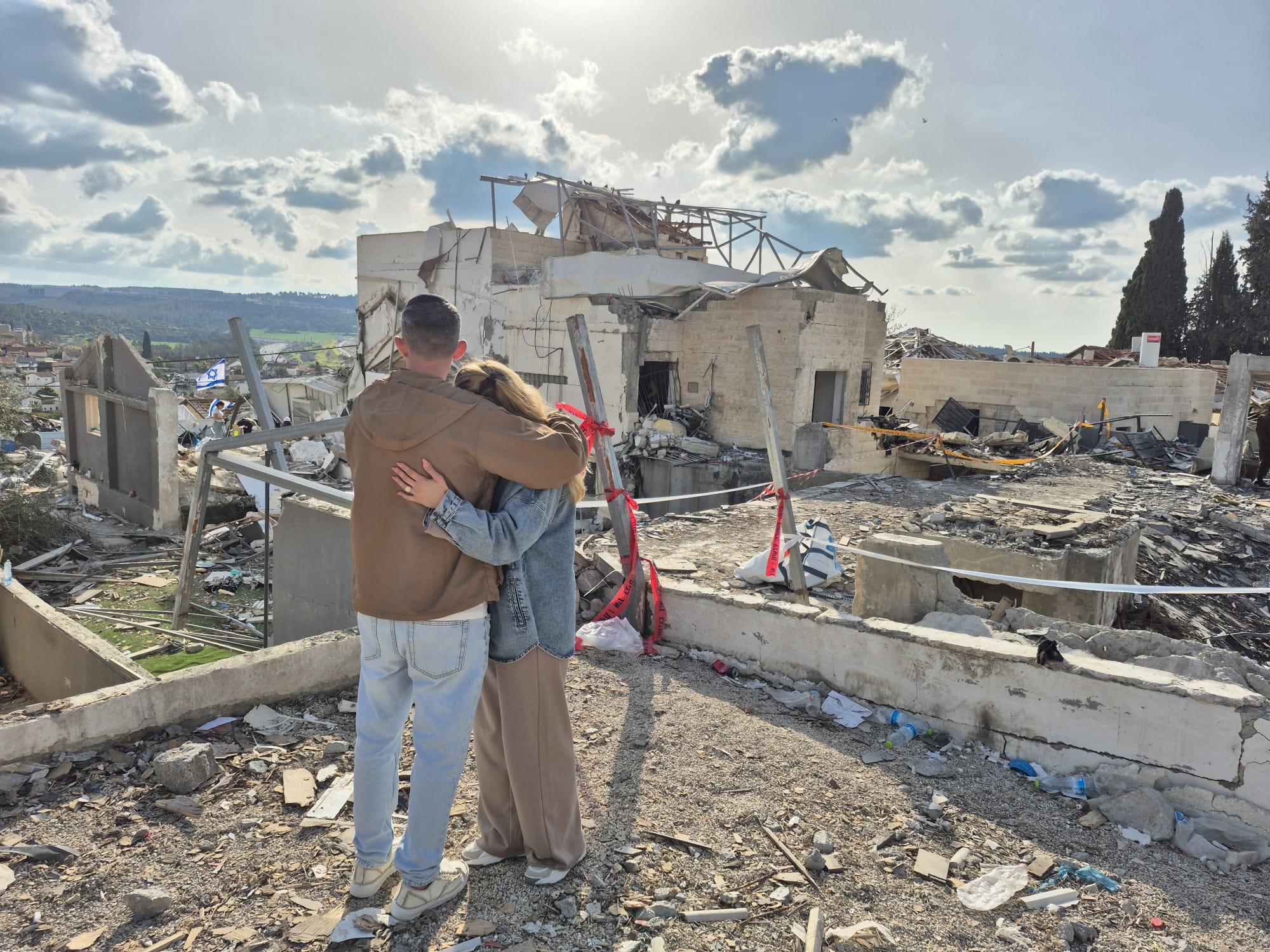
Israel continues to face evolving challenges, from the lasting impact of October 7 to the realities of the latest war with Iran. In moments like these, the strength of our global Jewish community is measured by how quickly and effectively we show up for one another.
Through our longstanding partnership with The Jewish Agency for Israel, Federation is helping ensure that individuals, families, and communities receive both immediate support and long-term care when they need it most.
Meeting Urgent Needs, Strengthening Communities
Throughout the year, The Jewish Agency focused on supporting those most affected by helping communities rebuild, assisting vulnerable populations, and strengthening Israeli society in the face of ongoing uncertainty. From aiding displaced families to supporting long-term recovery, this work helped restore stability and a sense of possibility.
At the same time, thousands of Jews around the world made the life-changing decision to build their future in Israel. In 2025 alone, more than 20,000 new immigrants arrived amid war and rising global antisemitism, demonstrating a powerful commitment to Israel’s future.
Showing Up in Moments That Matter
The impact of this work is perhaps most visible in moments of crisis.
In December 2025, following a terror attack at a Chanukah gathering in Bondi Beach, Australia, The Jewish Agency deployed trauma experts within 48 hours, providing immediate support to the local Jewish community while activating global resources for recovery and resilience.
This kind of rapid, coordinated response reflects a deeper truth about the Jewish people:
“When Jews are attacked anywhere, it affects us everywhere… Our answer is solidarity, responsibility, and the determination to build a stronger future together.”
That sense of shared responsibility—across borders and communities—is what makes this work possible.
A Global Network of Connection and Care
Beyond crisis response, The Jewish Agency continues to strengthen the bonds that connect Jews worldwide.
Through programs that build identity, deepen relationships, and foster a sense of belonging, Jews across generations and geographies are connected not only to Israel, but to one another. In 2025, this global network proved essential, ensuring that communities everywhere felt supported, prepared, and part of something larger than themselves.
Federation’s Role: Turning Responsibility into Action
By investing in The Jewish Agency, we are not only responding to immediate needs—we are strengthening the global infrastructure that ensures the Jewish people can respond, recover, and rebuild together.
This partnership reflects a core belief: that our community is strongest when we act as one. When Israel faces hardship, we show up. When communities need support, we mobilize. And when connection matters most, we help build it.
Looking Ahead
The challenges facing Israel did not end in 2025—and neither did our commitment.
Together with The Jewish Agency and partners around the world, Federation continues to support recovery, strengthen communities, and deepen the bonds that connect us as one people.
Because ensuring a strong, resilient Israel and a connected global Jewish community is not just about responding in moments of crisis. It’s about building a future grounded in shared responsibility, belonging, and hope.
A blooming lemon tree becomes a reflection on faith, possibility, and the future of Jewish life. As uncertainty grows, the challenge is not only to confront what is probable, but to nurture what is possible and help it take root.
Hundreds of Jewish leaders gathered on Capitol Hill for The Jewish Federations of North America’s Security Fly-In, sharing deeply personal stories about rising antisemitism and advocating for stronger protections to ensure Jewish communities can gather openly and safely.
From Eurovision victories to post-October 7 conversations, a Federation shlicha uses Israeli music and culture to foster Jewish peoplehood, resilience, and shared identity across Greater Washington through Hands On Israel workshops and community connection.
Through Our Eyes: Jewish Teens Turn Identity into Art
April 22, 2026
The Jewish Federation of Greater Washington
Since October 7, Jewish teens around the world have been navigating a complex mix of emotions: grief, fear, pride, resilience. And increasingly, they’re not just processing these feelings quietly. They’re turning them into action.
A recent report from the Jewish Agency for Israel (JAFI) found that 74% of young Jews believe they can positively shape the future, a striking reflection of growing optimism and stronger connection to Jewish life.
In Greater Washington, a group of teens is doing exactly that.
Turning Emotion Into Expression
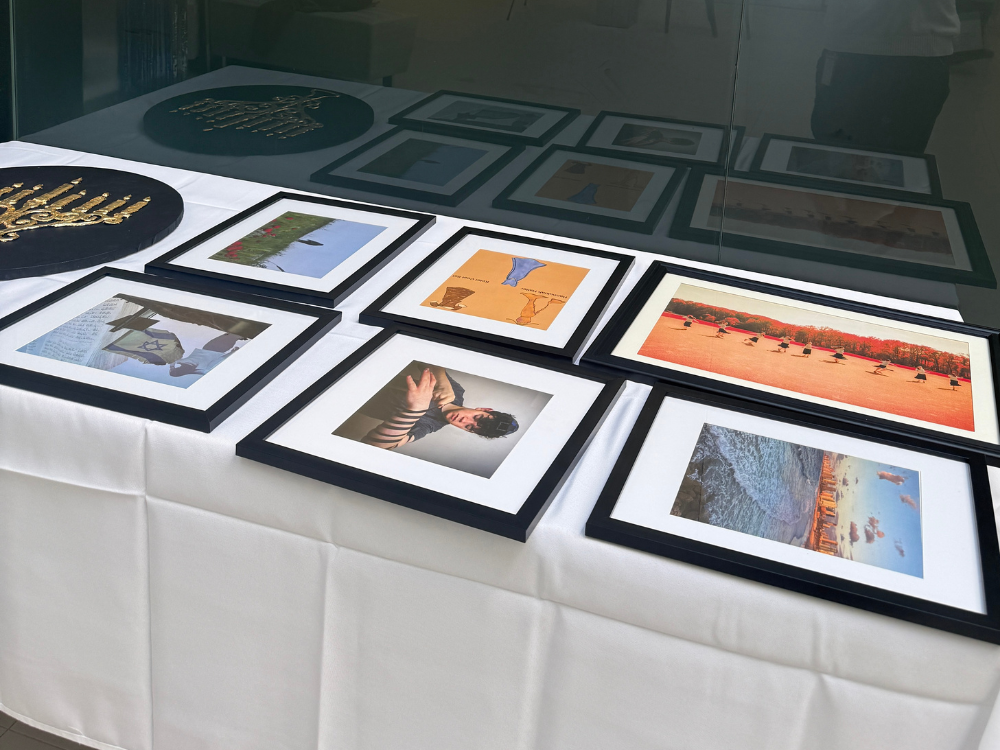
Through Our Eyes, an original art exhibit created by local teens Emma Libowitz, Ayelet Magder, Ofek Bar-Ori, Sophie Moyal, and Aviela Dennen, brings together the voices and experiences of Jewish teens in this moment. Through paintings, poetry, and mixed media, the exhibit offers a deeply personal look at what it means to be Jewish today, grounded not in headlines or politics, but in lived experience.
“At a time when antisemitism is often discussed in abstract or political terms, this exhibit restores humanity to the conversation,” said Ofek. “It allows [people] to see Jewish teens not as representatives of conflict, but as individuals with complex emotions, identities, and stories.”
For many of the teens, the exhibit is both a creative outlet and a communal space. “It acts as a space for teens to lean into their Jewish identities and express their thoughts and emotions, where they might not have otherwise had a place to do so,” Ayelet shared.
That sense of belonging, expression, and connection doesn’t happen in a vacuum.
Each of these teens is involved in Jewish life across the region: whether through the Bender JCC, camps like Ramah and Capital Camps, or other youth experiences that have helped shape their identities over time. These are the environments where Jewish teens build confidence, explore their values, and form the relationships that allow them to show up fully as themselves.
Investing in the Ecosystem
Federation plays a critical role in making those environments possible, supporting both teens and the professionals who guide and work alongside them.
By supporting camps, youth groups, JCCs, and other teen programming across Greater Washington, Federation invests in the spaces where identity is formed and strengthened. These investments don’t just power programs, they power identity, helping to cultivate a generation of young people who feel connected, confident, and empowered to express what being Jewish means to them.
As the exhibit travels to JCCs, synagogues, and schools across the region, it is creating new opportunities for connection, not just between teens, but across the broader community. “We hope the exhibit will help teens know that you’re not alone,” said Aviela. “That there are other teens going through the same things.”
And that expression matters now more than ever. “There has been a variety of reactions to October 7 within the Jewish community,” Emma shared. “Our experience as Jewish teens isn’t a monolith. Right now, we need the support and encouragement of adults to speak openly, voice our concerns, and reaffirm our communal values.”
The Through Our Eyes exhibit is modeling something powerful: that in the face of challenge, Jewish identity is not only something to hold onto. It’s something to build, express, and share.
Because when young people are given the tools, the space, and the support to explore who they are, they don’t just respond to the moment—they help shape what comes next.
At a time when Jewish life in the DMV is both flourishing and facing renewed antisemitism, this reflection explores the tension many Jews feel between pride and unease — and the responsibility of communal institutions to help shape a resilient Jewish future.
Over four months, 22 local leaders came together through the Courageous Leadership Fellowship to strengthen empathy, respect, and constructive dialogue across the Jewish community, exploring how courageous leadership and meaningful conversation can help build a stronger, more inclusive future.
From Eurovision victories to post-October 7 conversations, a Federation shlicha uses Israeli music and culture to foster Jewish peoplehood, resilience, and shared identity across Greater Washington through Hands On Israel workshops and community connection.
From the USSR to American Campuses: The Roots of Today’s Antizionist Discourse
April 20, 2026
Adrienne Malickson
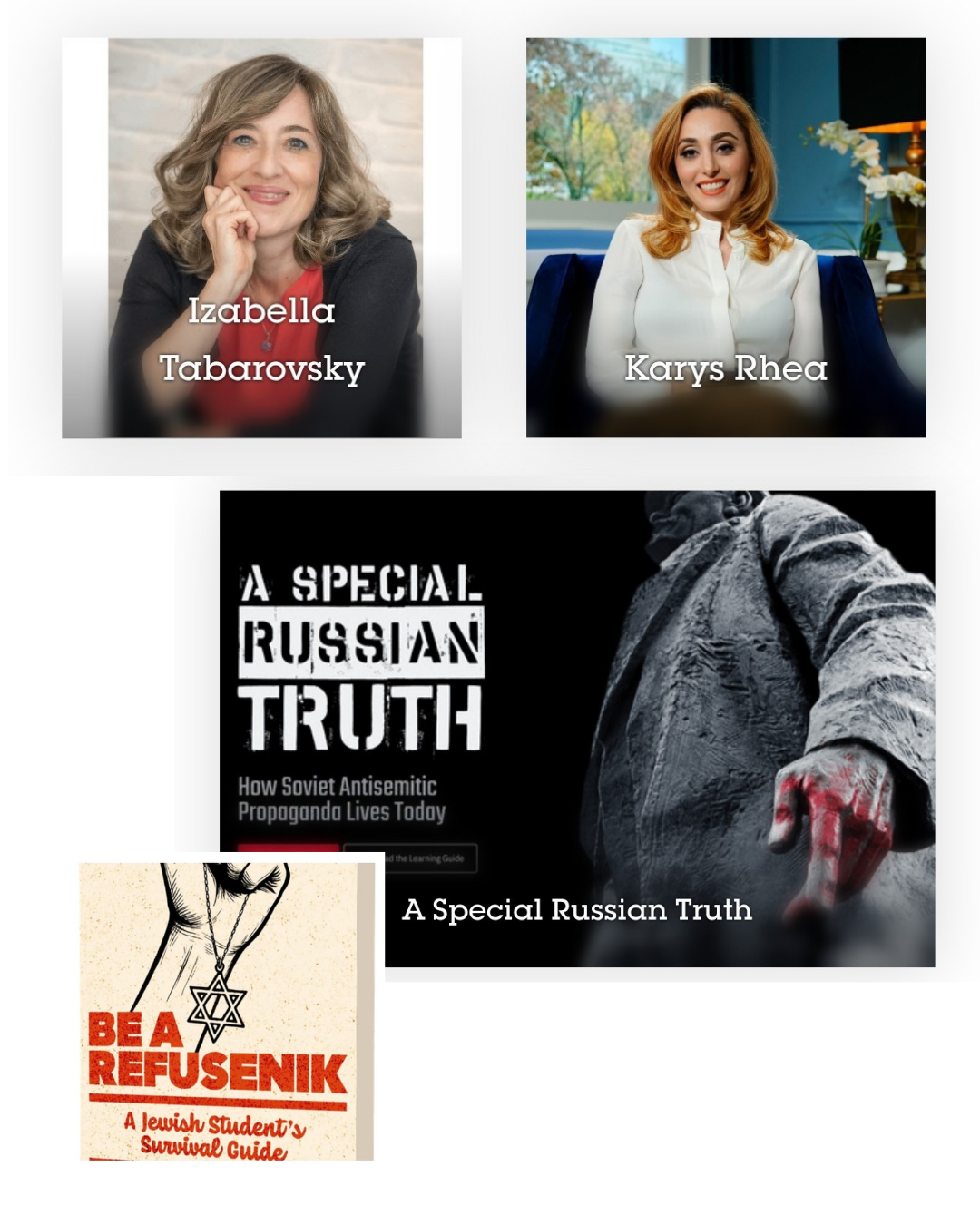
Join us for an eye-opening program exploring how Soviet antizionist ideas continue to shape the language and dynamics of anti-Israel discourse today.
The evening will begin with a short documentary, A Special Russian Truth, which traces the origins of today’s anti-Israel rhetoric to a decades-long Soviet campaign of antisemitic propaganda developed by the KGB and disseminated worldwide.
After years of crisis response, it’s time to imagine—and build—the Jewish future we want.
For the past several years, really ever since COVID, our communal agenda has been shaped in large part by external crises. There’s no shame in this. Federation, supported by a passionate Jewish community, is well suited to crisis response. We have the local and global infrastructure to reach people and deploy help, a core part of our role.
Through a pandemic, wars, antisemitic attacks, the devastation of October 7, economic uncertainty, and political and social upheaval, we, as a community, have been there to help the Jewish people and those in need locally and around the world.
Across our community and in conversation with others from around the country, I hear how eager people are to reclaim a sense of agency over the Jewish future. To not only fend off the destructive forces of the day, but to build something great. This isn’t to say that we should abandon our work to be there for the Jewish people and Israel in times of crisis, not at all. Without question, we will need to remain diligent in responding to a dysregulated world. But we can be serious about our dreams too.
As Rabbi Lord Jonathan Sacks used to say, “Jewish faith is written in the future tense.” We are in close contact with our past, but we are also a people of possibility. We would be doing the Jewish story a disservice if we did not make the most of the opportunities in front of us to strengthen Jewish identity, pride, joy, and connection. This is the spirit that defines our community, and one we will continue to harness in our work ahead.
Already, we are working to grow and scale the things we know have significant impact. Shabbat dinners (as I wrote about last week), Jewish summer camp, youth groups, Jewish day schools, Jewish learning, and immersive Jewish experiences, including trips to Israel and local retreats, have tremendous effects on someone’s identity. How can we expand these offerings and make them more accessible to more people? How can we be a home for people with diverse opinions? How do we use our resources and relationships to maximum effect for people across all age groups?
It feels strange in this time of absurd and heartbreaking headlines to be talking about agency. But it’s precisely in this moment when things feel most out of our control that we are called to wrestle it back. Like so many times throughout Jewish history, we can define for ourselves who we are and where we are going. Between our collective responsibility and capacity to strengthen Jewish life, and Federation’s relationships, resources, and talent for convening, the future is ours for the shaping.
A blooming lemon tree becomes a reflection on faith, possibility, and the future of Jewish life. As uncertainty grows, the challenge is not only to confront what is probable, but to nurture what is possible and help it take root.
At a time when Jewish life in the DMV is both flourishing and facing renewed antisemitism, this reflection explores the tension many Jews feel between pride and unease — and the responsibility of communal institutions to help shape a resilient Jewish future.
Hundreds of Jewish leaders gathered on Capitol Hill for The Jewish Federations of North America’s Security Fly-In, sharing deeply personal stories about rising antisemitism and advocating for stronger protections to ensure Jewish communities can gather openly and safely.
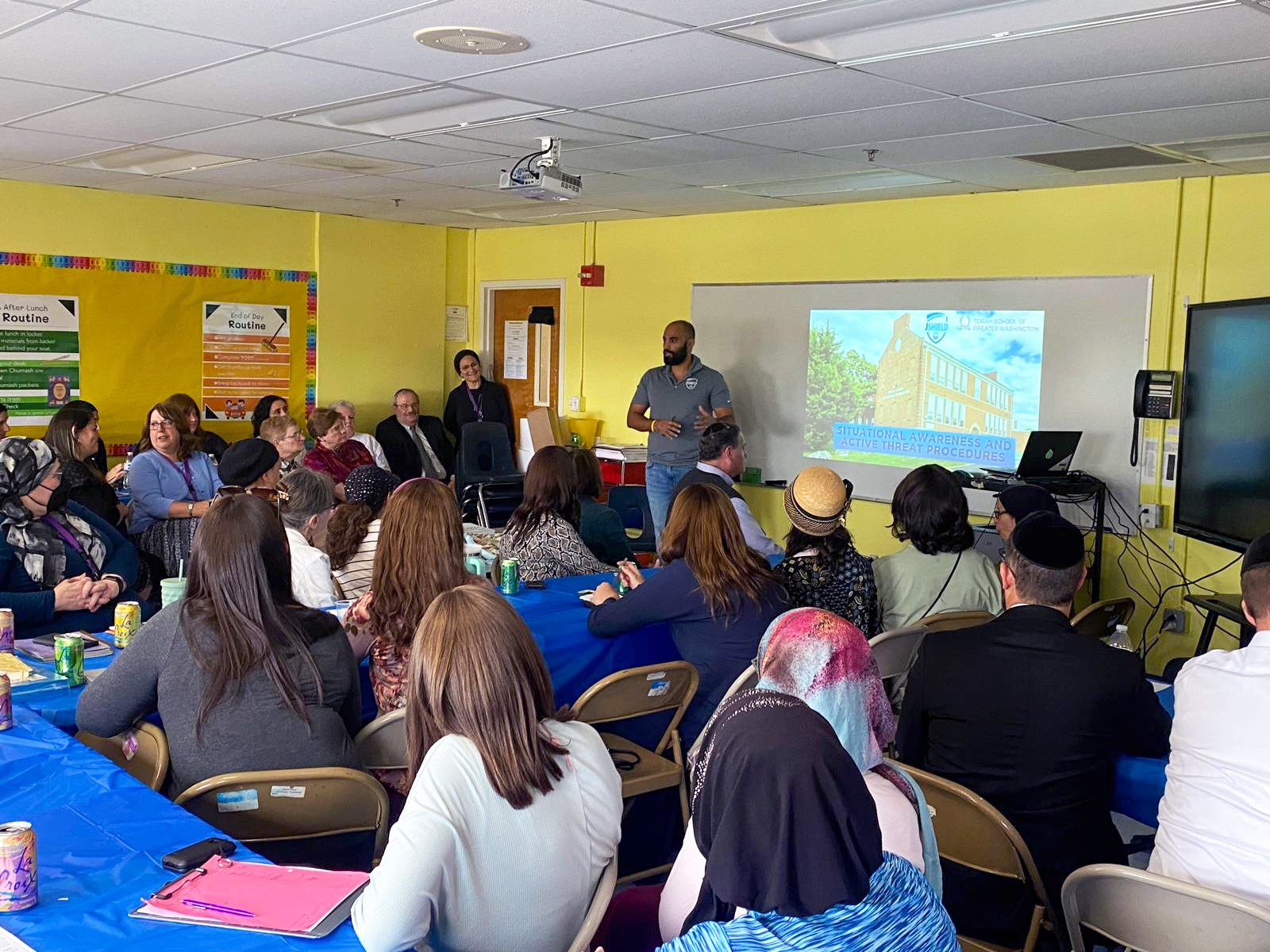
As antisemitism continues to rise around the world, the need for proactive, community-wide security is as important as ever. Our community is no stranger to this need; in March, 40 security incidents were reported across Greater Washington, targeting synagogues, Jewish schools, and other institutions. But by promoting broader community preparedness, we can build our resiliency and strength against any potential threat.
That’s why the Jewish Federation of Greater Washington’s security initiative, JShield, is launching the Shield Program, an expanded training platform marking a strategic evolution of its work to protect and empower the community.
The Shield Program builds on our extensive experience supporting Jewish institutions, delivering a more focused and accessible approach to training. Rather than a one-size-fits-all model, it offers practical learning tailored to different roles and settings, from core safety foundations and crisis response to leadership planning, community awareness, and even self-defense.
At its center is a simple idea: security is not the responsibility of one person or one position—it’s something we all share.
“The core mission of JShield is built on the philosophy that community safety is about empowering every individual to play a role,” said Rusty Rosenthal, Federation’s Executive Director of Community Security. “This expanded platform builds on partnership with our community, delivering practical, real-world training that helps people recognize risks, respond effectively, and contribute to a culture where safety is shared. At a time of rising antisemitism, that collective preparedness is essential.”
Importantly, Shield trainings are provided entirely free of charge, removing financial barriers and ensuring that organizations of all sizes can access high-quality security support.
“I feel fortunate to have JShield as a security partner,” said Monica Saff, Executive Director of Ohr Kodesh Congregation. “They have facilitated several security trainings for my staff team and have also helped me with reporting two issues of concern and advised me about the right steps to take. It’s reassuring for our community to know that we work closely with JShield and have their guidance and support as we make ongoing decisions about security.”
Through JShield, Federation goes beyond funding security—it helps build the habits, coordination, and awareness that make communities safer every day. The goal is not only to respond in moments of risk, but to embed security as a shared responsibility so Jewish life can be experienced fully, openly, and safely.
Jewish life is thriving across Northern Virginia, but finding it can be challenging. Through a new partnership between the Jewish Federation of Greater Washington and the Pozez JCC, JLive will make it easier to discover events, programs, volunteer opportunities, and meaningful community connections.
At a time when Jewish life in the DMV is both flourishing and facing renewed antisemitism, this reflection explores the tension many Jews feel between pride and unease — and the responsibility of communal institutions to help shape a resilient Jewish future.
Hundreds of Jewish leaders gathered on Capitol Hill for The Jewish Federations of North America’s Security Fly-In, sharing deeply personal stories about rising antisemitism and advocating for stronger protections to ensure Jewish communities can gather openly and safely.
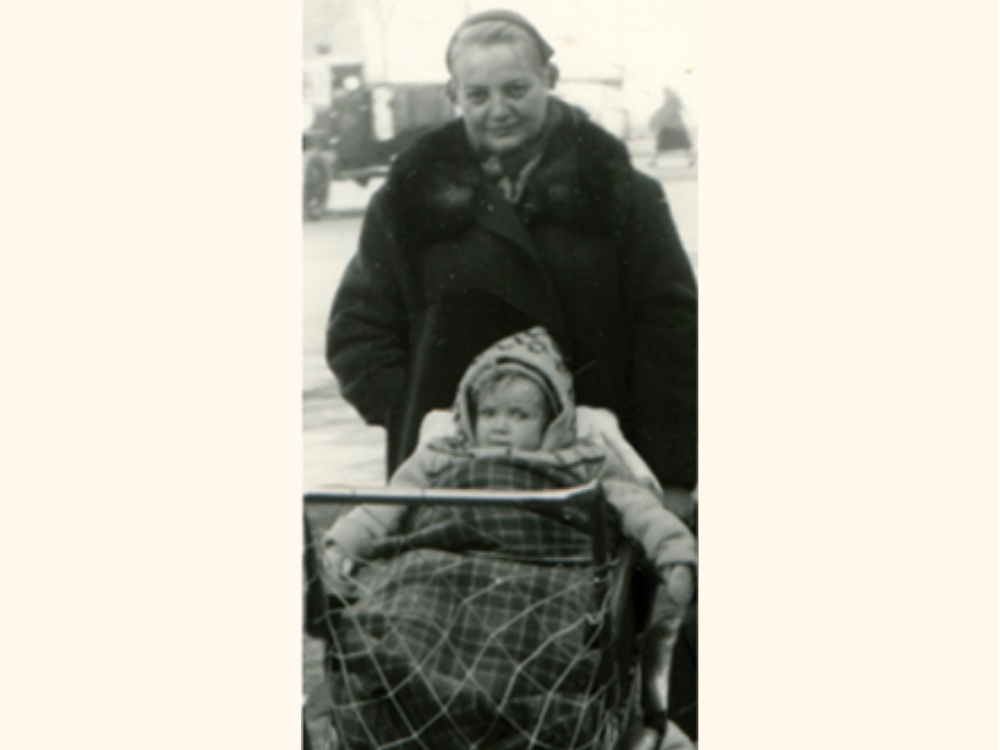
Shortly after the outbreak of World War II, two-year old Sonia* and her mother fled Belarus, which would soon fall to the Nazis. Her father, a Soviet army officer, was killed on the front line. After the war, Sonia’s family rebuilt what they could of their lives, with Sonia eventually pursuing a career as a teacher.
Life in the Soviet Union was far from easy, though. Finding consistent, well-paying work was a challenge, and Sonia and her daughter endured rampant antisemitism. Even in the late 1970s, her daughter was barred from attending university due to her Jewish identity. That’s why in 1980, they made the brave and difficult decision to emigrate to the United States.
For almost two decades, Sonia worked in a Russian-language daycare, providing care and comfort to the next generation, eventually retiring in Maryland. Yet as she’s gotten older, her day-to-day life has become more challenging. She has significant mobility issues, rarely leaving the house and accessing only the ground floor of her apartment. Her daughter and son-in-law help where they can, yet loneliness and isolation still set in.
That’s where Federation and our partner JSSA—the Jewish social service agency serving Greater Washington—comes in. Each year, JSSA helps hundreds of Holocaust survivors live their final years with dignity and safety. Federation support enables JSSA to provide homecare and home nursing, medical support, food programs, socialization activities, and more. As Holocaust survivors age and their needs become more complex and acute, this care is increasingly essential.
For Sonia, this assistance is deeply personal. With help from a homecare worker, she is able to remain in her own home and complete tasks that would otherwise be too daunting. Virtual exercise classes support her physical well-being, while online Russian-language classes on Jewish themes help her stay connected to her community and culture. These services do more than meet basic needs; they provide connection and stability.
Together, Federation and JSSA are dedicated to ensuring that no Jew feels alone, and that every survivor is met with the care and respect they deserve. We honor survivors by showing up for them now, in real and tangible ways. Through this partnership, we are turning memory into action—ensuring that “Never Again” is not only a promise for the future, but a responsibility we uphold every day.
*To protect her privacy, Sonia’s name has been changed.
Hundreds of Jewish leaders gathered on Capitol Hill for The Jewish Federations of North America’s Security Fly-In, sharing deeply personal stories about rising antisemitism and advocating for stronger protections to ensure Jewish communities can gather openly and safely.
From Eurovision victories to post-October 7 conversations, a Federation shlicha uses Israeli music and culture to foster Jewish peoplehood, resilience, and shared identity across Greater Washington through Hands On Israel workshops and community connection.
Responding in real time, Federation partners with The Jewish Agency for Israel to deliver urgent support, strengthen communities, and mobilize global Jewish solidarity amid crisis and recovery.