Good Deeds Day
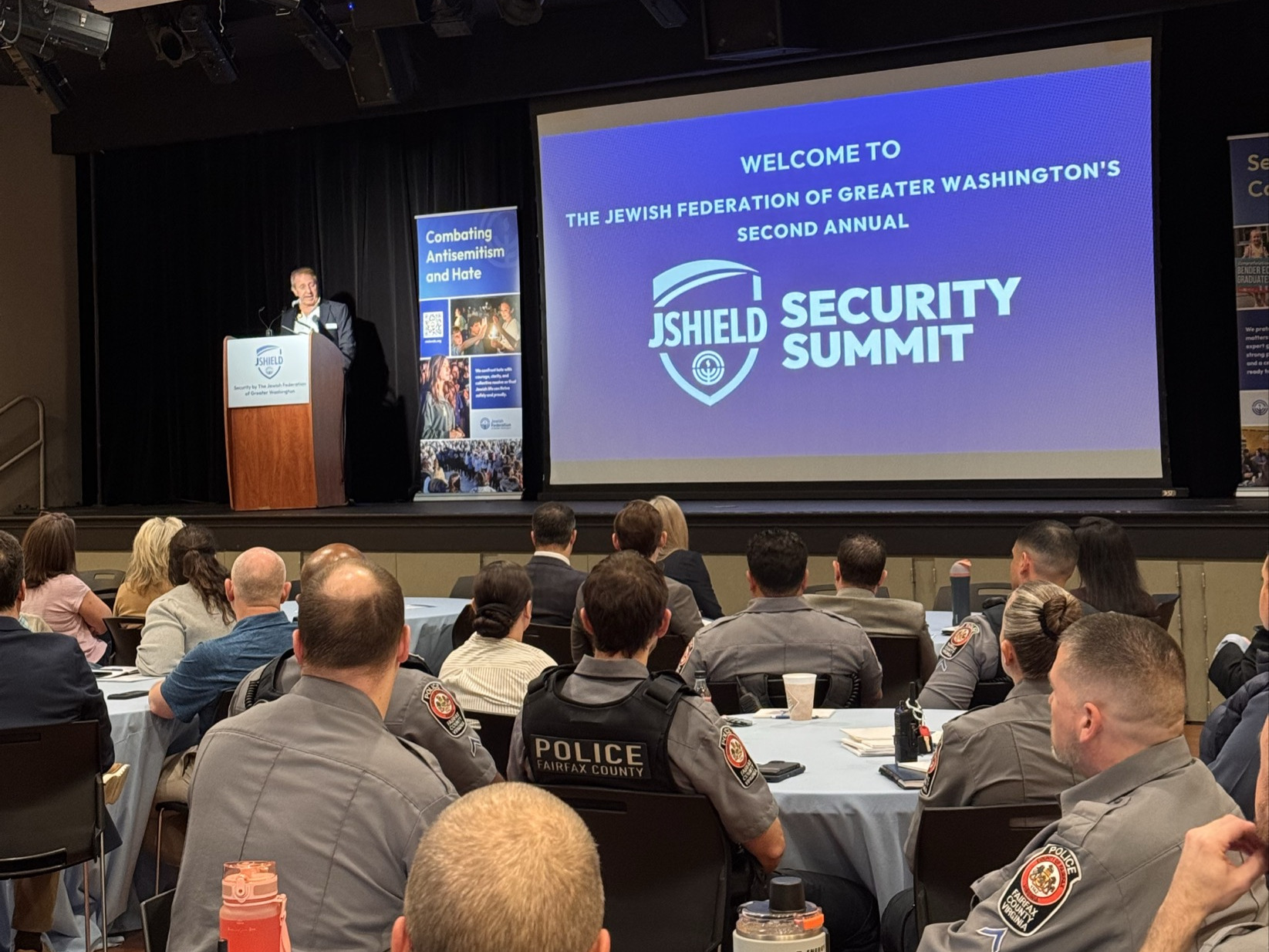
More than $300 million in federal security funding is available this year to help protect Jewish institutions. Accessing that funding, however, is competitive, technical, and time-sensitive.
That’s where JShield comes in.
Federal security grants can make a real difference, but only if institutions are able to secure them. The process is competitive and complex, and without support, too many opportunities are left on the table.
This year, lawmakers have proposed allocating approximately $300 million to the Nonprofit Security Grant Program (NSGP), a $25 million increase over last year. It’s an important step but accessing that funding still isn’t simple or guaranteed. Applying requires time, technical expertise, and careful coordination—resources many organizations don’t have while also running programs, supporting families, and serving their communities.
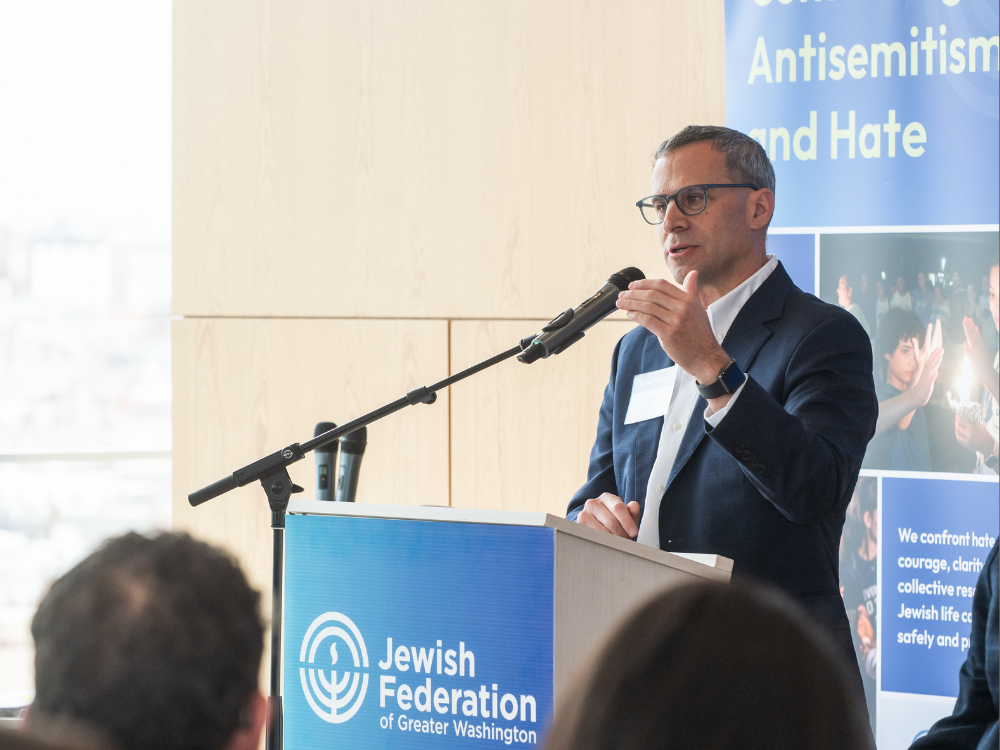
Through JShield, The Jewish Federation of Greater Washington helps local Jewish institutions do this work with clarity and confidence. The support is practical and hands-on: advising organizations, preparing grant applications, and guiding them through a process that can otherwise feel overwhelming. This support is provided at no cost to institutions.
In 2025 alone, this work helped bring more than $5.25 M in security funding into our community. That funding helps institutions access resources they might otherwise miss and strengthens the safety of Jewish life across our region.
There is no finish line when it comes to security. It’s not a single grant or a one-time investment. It’s ongoing work that requires expertise, coordination, and strong relationships.
Through JShield, and with direct support from community donors, we help Jewish institutions prepare, apply, and stay focused on serving their communities.
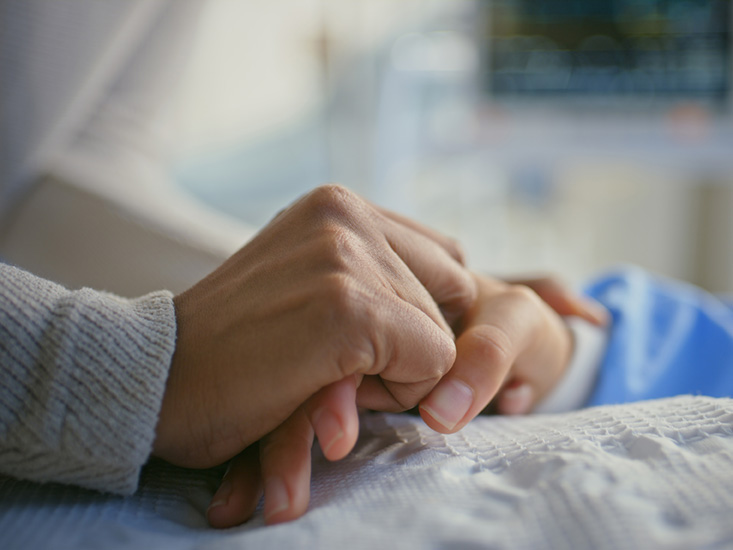
We are excited and proud to share that JSSA, a longtime Federation partner, is expanding its hospice services to Northern Virginia—an important step in ensuring individuals and families in our region have access to high-quality, community-based end-of-life care when it matters most.
As part of our ongoing work to strengthen vibrant Jewish life in Northern Virginia, The Jewish Federation of Greater Washington supported early feasibility work for this expansion, alongside additional donor support from the community. We continue to work closely with partners to ensure evolving needs across Northern Virginia are being addressed.
For more than 40 years, JSSA has been a trusted provider of hospice care in Montgomery County, supporting patients and families with expert clinical care alongside emotional and spiritual support. This expansion builds on JSSA’s more than 45 years of serving Northern Virginia through mental health services, aging-in-place programs, and its Holocaust Survivor Program.
JSSA’s interdisciplinary hospice team of physicians, nurses, social workers, chaplains, and trained volunteers provides care wherever patients call home. Their model includes smaller nurse caseloads and more frequent visits during patients’ final days, contributing to a higher-quality end-of-life experience for patients and families.
Families consistently share the impact of this care. As one son recently wrote:
“The genuine care and concern for my mom demonstrated by every member of the team was amazing. Their only goal was her comfort and quality of life. My family will always be grateful to JSSA.”
Hospice services will initially focus on Fairfax, Arlington, and Alexandria, with the ability to respond to needs beyond this initial focus area.
To learn more about JSSA’s hospice services in Northern Virginia, call 703-896-7900.
As one of the fastest-growing Jewish communities in Greater Washington, Northern Virginia is home to individuals and families at every stage of life. We partner across the region to strengthen community infrastructure, deepen connections, and expand access to services that support vibrant Jewish life.
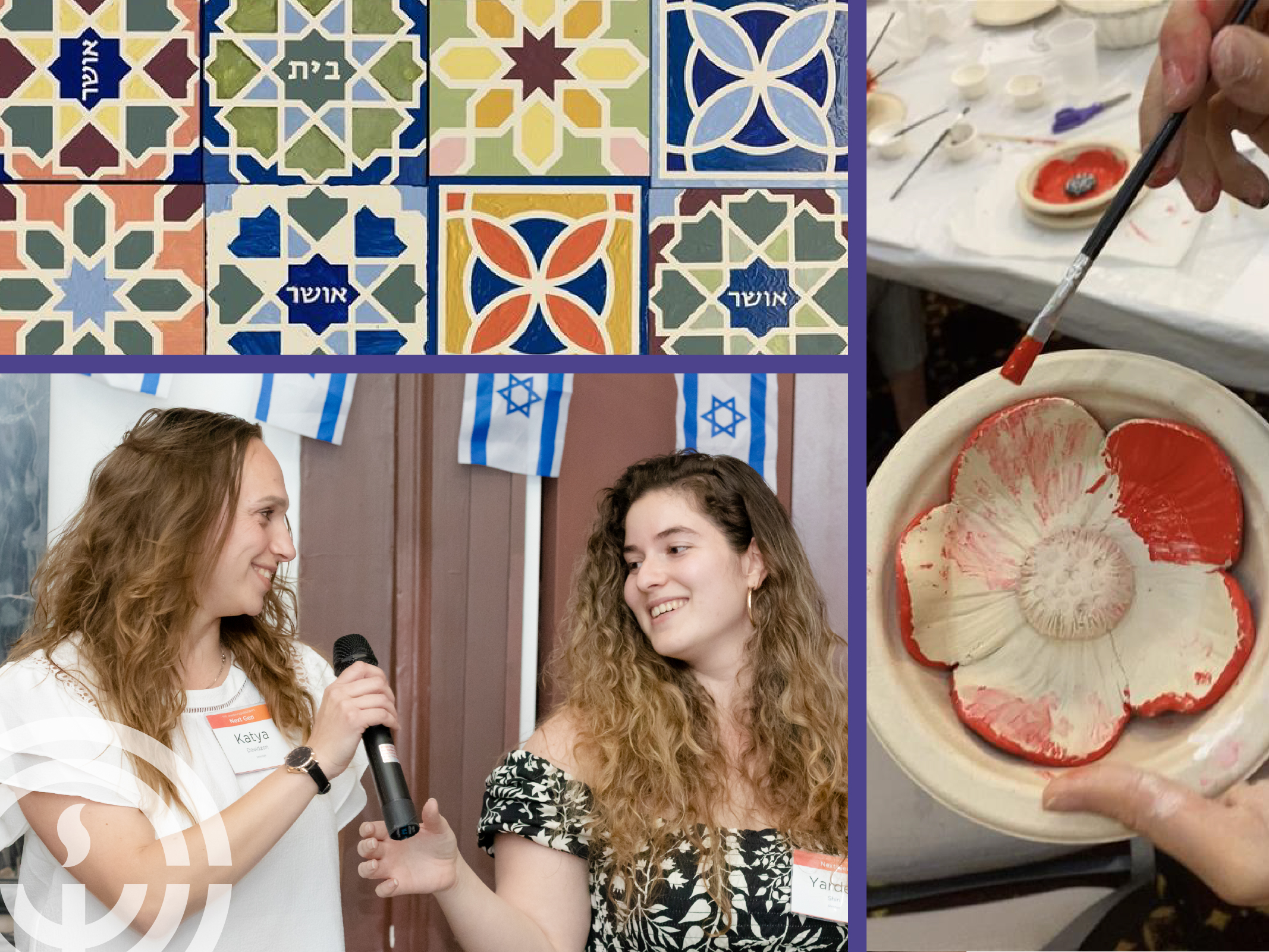
Across Greater Washington, Israeli shlichim (emissaries) are part of everyday Jewish life—showing up in synagogues, schools, JCCs, and community spaces. They share stories, lead conversations, and build relationships that help make Israel feel present and personal.
Hands-On Israel (HOI) is one of the primary ways this connection happens. Led by Federation’s community shlichim who live and work in Greater Washington, HOI offers interactive workshops grounded in conversation and personal experience.
Hands-On Israel creates space for people to engage with Israel through lived experience and open dialogue. Workshops focus on story, discussion, and shared reflection—helping participants connect in ways that feel grounded, human, and approachable.
HOI is built with the understanding that people come with different levels of familiarity, curiosity, and questions about Israel. Sessions are designed with that in mind, offering context and conversation without assuming prior knowledge or a shared point of view.
Workshops take place across Washington, DC, Maryland, and Northern Virginia, in partnership with synagogues, schools, JCCs, and community organizations.
Last year, the shlichim hosted 20+ Hands-On Israel workshops across Greater Washington. In the past five months alone, HOI has engaged approximately 150 participants through six workshops, with six additional sessions already scheduled. Several organizations that hosted workshops last year have invited HOI back to experience new offerings, and across settings, participants have asked for sessions to continue.
“After each of the classes, I received requests from our adult learners to please bring them back! Both Maya’s and Tamar’s presentations were thoughtful, engaging, exciting, interactive, and checked all of the boxes.”
Hands-On Israel reflects how we approach Israel engagement in Greater Washington: through relationships, conversation, and ongoing connection over time.
This work is part of The Jewish Federation of Greater Washington’s long-term commitment to building meaningful, people-centered connections to Israel across our community.
Interested in bringing a Hands-On Israel workshop? Sessions can be tailored to different audiences, ages, and interests, with themes ranging from Israeli culture and identity to facilitated conversation and pre-Israel trip preparation.