Meeting Our Community’s Desire for Connection
Across every demographic, the desire for deeper Jewish life is clear. Let’s meet it—one invitation at a time.
I was reading through the results of our recent Impact Index Pulse Survey, a community-wide survey we helped launch earlier this year to better understand how people across our region are experiencing Jewish life—what’s working, what’s missing, and where we can lower barriers to connection. The survey asked 1,349 D.C.-area Jewish community members about their level of satisfaction with the Jewish community (54% satisfied, 15% unsatisfied, 31% neutral).
There is plenty to parse in the data, but one thing stood out to me: The key to increasing people’s engagement with Jewish life isn’t about creating desire but about creating opportunities and removing barriers standing in the way of greater participation.
The desire to become more involved in Jewish life cuts across denomination, age group, income level, region, synagogue affiliation, and length of residence. Roughly 50-60% of all demographic groups want more engagement. Even those whose engagement declined in the past year still reported wanting to be more involved in Jewish life. This is remarkable and instructive.
At Federation, we are proud to work closely with a network of partners who offer and facilitate meaningful Jewish experiences. But the work of building Jewish community rests not solely with institutions, but with each of us. Indeed, community is built from individual connections that help people feel seen and part of something. All of the grants and strategic approaches in the world will never replace the power of personal interactions.
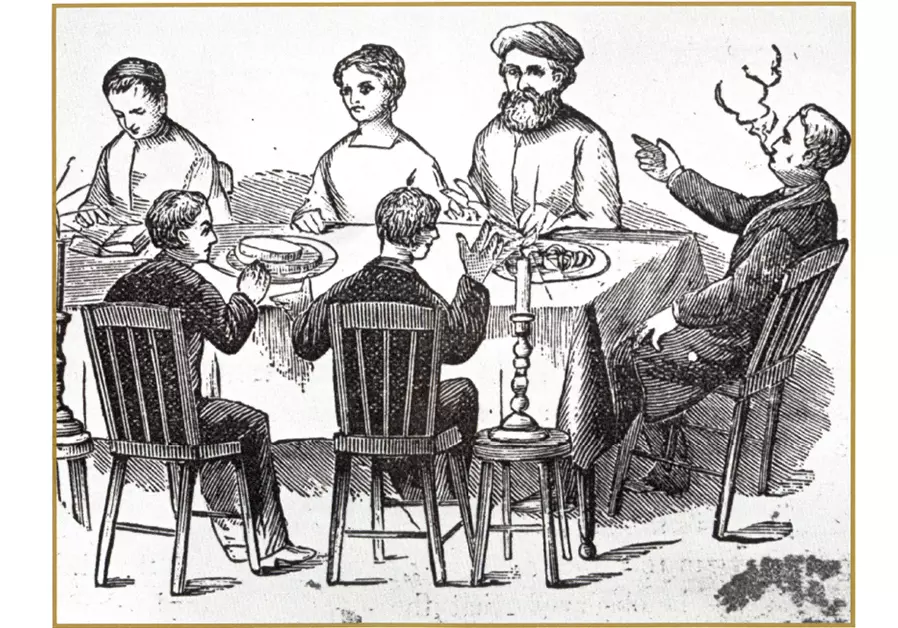
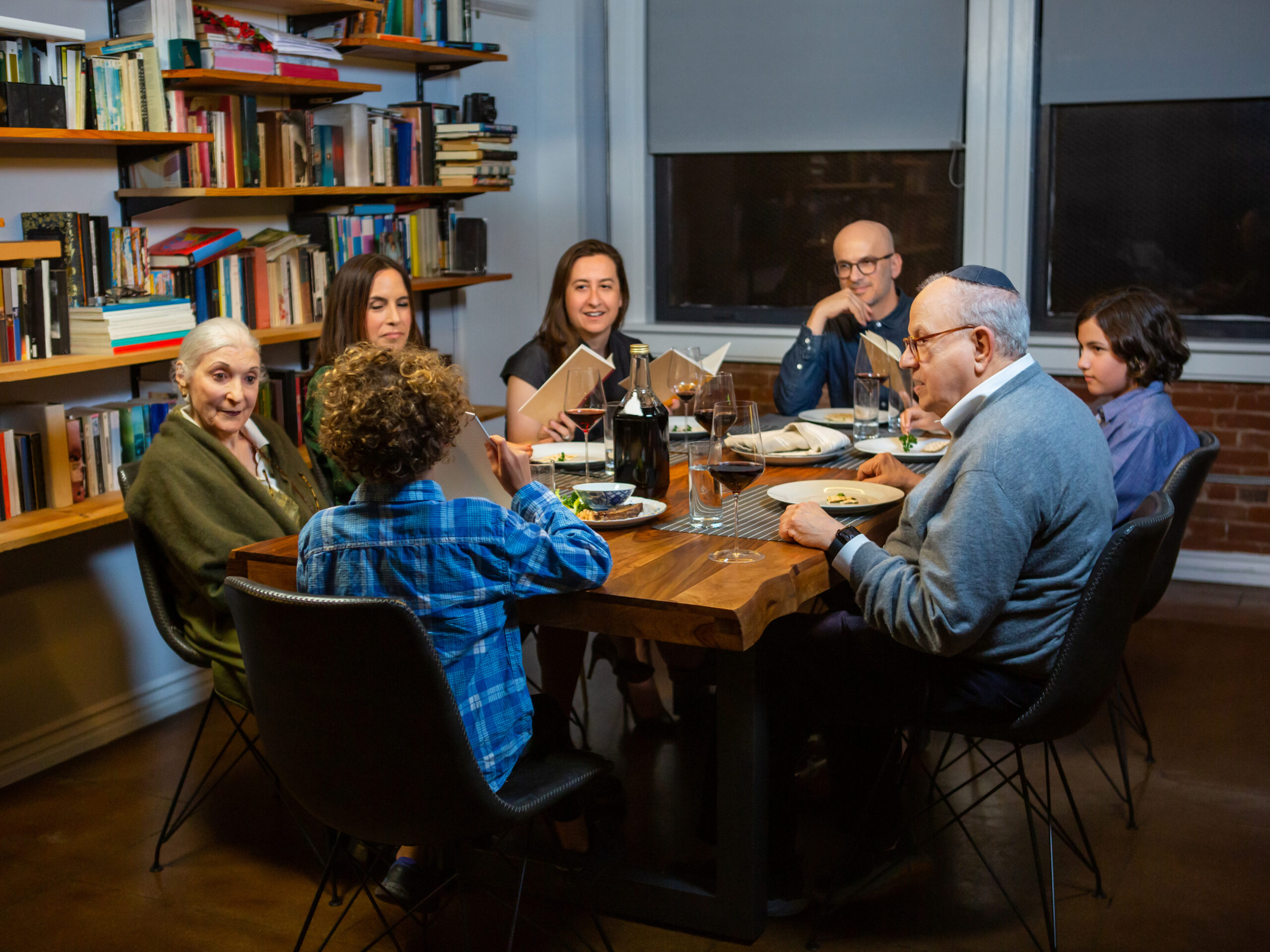
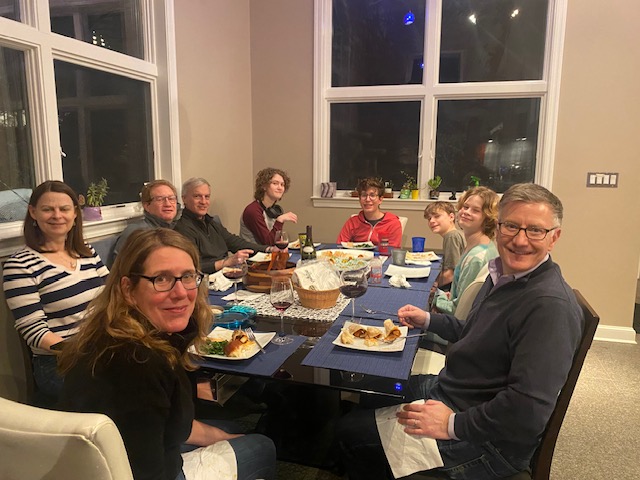
Enter Shabbat dinner. Whether you gather with family members, close friends, or new acquaintances, coming together for Shabbat dinner is one of the most powerful ways to kindle and strengthen Jewish life. Many of us know this to be true from our own encounters with Shabbat, and it is also borne out in the data. Among those who sometimes or regularly attend or host Shabbat dinners there is a greater level of engagement with and satisfaction in Jewish life as compared to those who rarely or never attend Shabbat dinners.
I can hear the data folks reminding me that “correlation is not causation,” but when it comes to Shabbat dinner, there is no downside. It is a positive indicator and effective gateway to greater engagement. It also enriches our own Jewish lives. We’re fortunate to work with so many organizations and community members who help people find their way to one another, at Shabbat tables and in countless other moments of connection.
So, as the weather gets colder and we burrow inside, I want to encourage you to bring others along with you. Invite people over for Shabbat dinner. Welcome people you know and people you would like to get to know. Even if you’ve never hosted a Shabbat dinner before, give it a try. It does not need to be fancy or fit some image of what a Shabbat dinner is “supposed” to look like. There are many online resources standing by to provide you with tips and ideas. This is a resource guide from OneTable, one of our partner organizations, that helps those in their 20s and 30s host Shabbat dinners—but the information works for all ages.
The Impact Index clearly shows people want to be more engaged in Jewish life. The desire is there. We meet it by connecting with the people around us and basking together in Jewish ritual, joy, connection, and belonging.